Two Ways to Arrange a Small Living Room for Quieter Weekends
When your living room has to do more than one job—reading, hosting a friend for tea, or serving as a temporary work spot—how you arrange it shapes how the space feels. Two practical approaches work well in small rooms: a flexible, changeable setup that you switch between modes, and a stable layout designed around a single flow. Below I compare the two and offer guidance to help you choose and adapt either option for quieter weekends.
Approach 1: Dual-Mode Layout (Convertible Comfort)
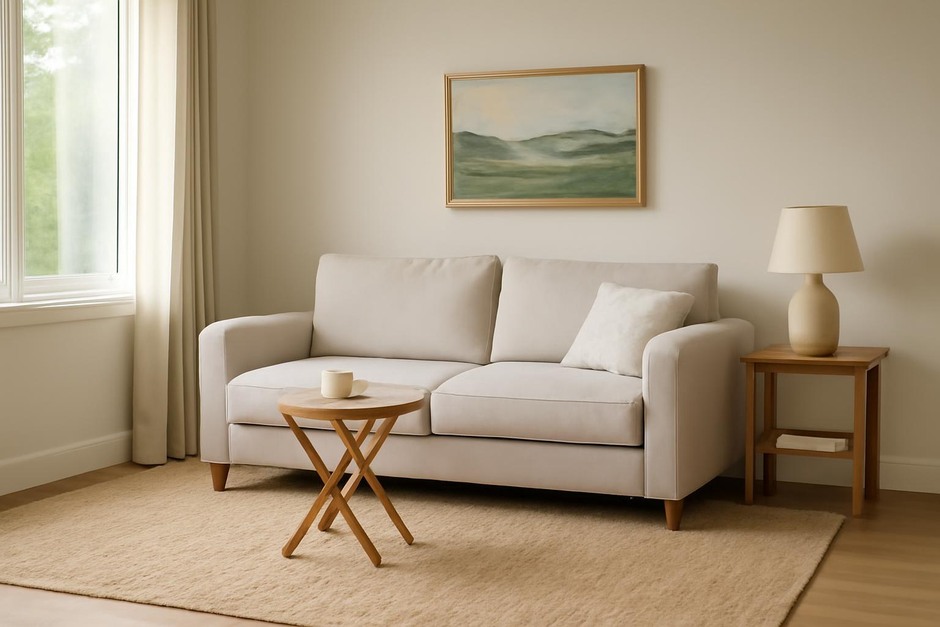
The dual-mode layout prioritizes flexibility. Furniture and accessories are chosen so the room can be rearranged easily between a few consistent arrangements—like “read & relax” and “visit & dine.” It’s about having a small set of configurations you can switch between without a full overhaul.
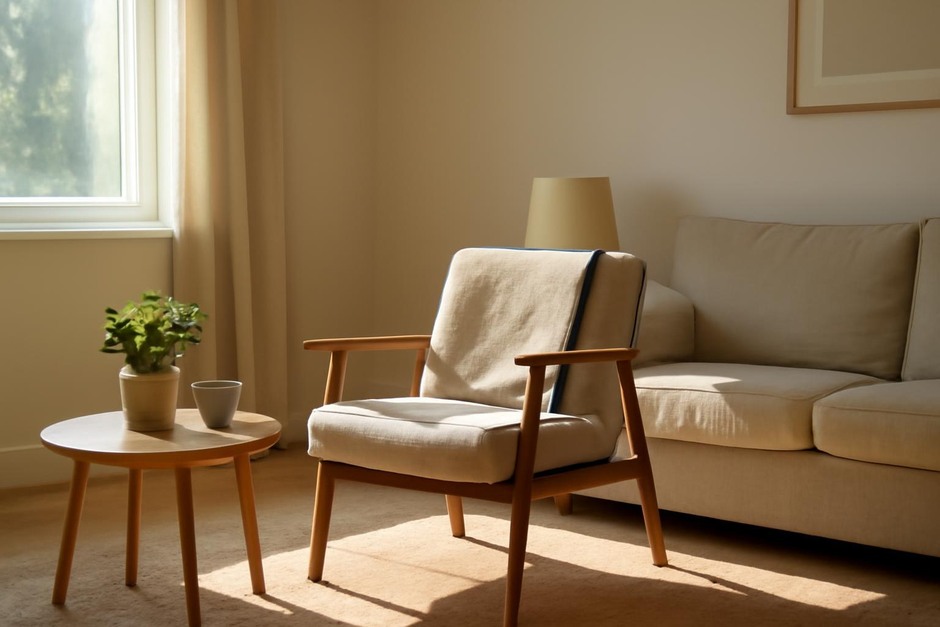
- Key pieces: lightweight seating (accent chairs or a small slipper chair), a compact sofa or daybed, a narrow console or folding table, and ottomans that can double as seats or surfaces.
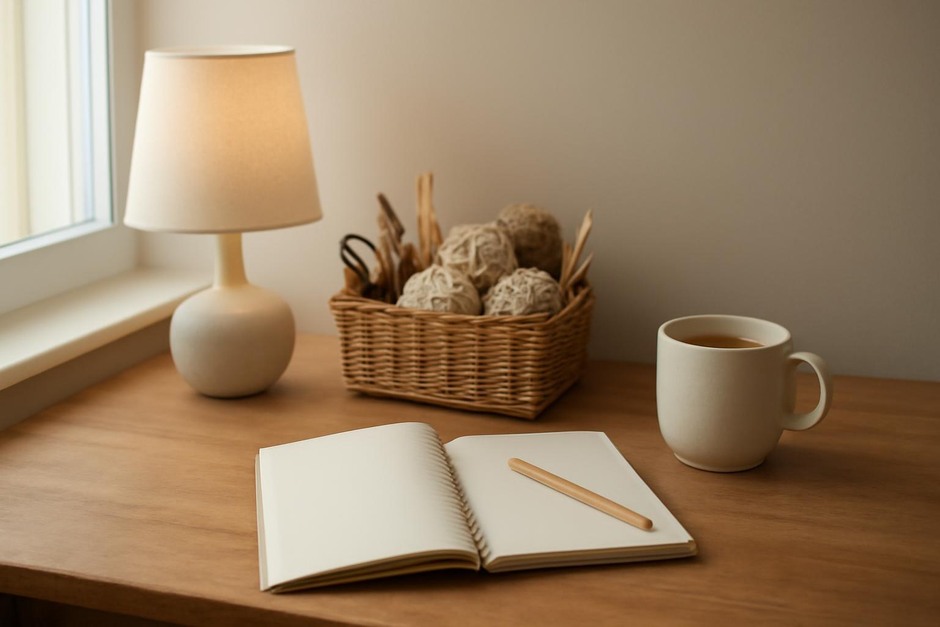
- Storage strategy: visible baskets and low shelving for easy access to throws, books, and a tray for drinks—things you move from one mode to another.
- Anchors: a rug and a reading lamp that stay put while smaller pieces rotate around them.
Benefits
- Adapts to different weekend activities—reading alone in the morning, hosting a neighbor in the afternoon, or spreading out a puzzle on a quiet evening.
- Feels lively and intentionally arranged without the clutter of permanent multifunctionality.
- Works well if you value variety and occasional rearranging.
Considerations
- Requires storage for extra pieces and the physical effort of switching modes.
- May feel less cohesive if transitions aren’t practiced or if too many small items accumulate.
Approach 2: Fixed-Flow Layout (Calm Consistency)
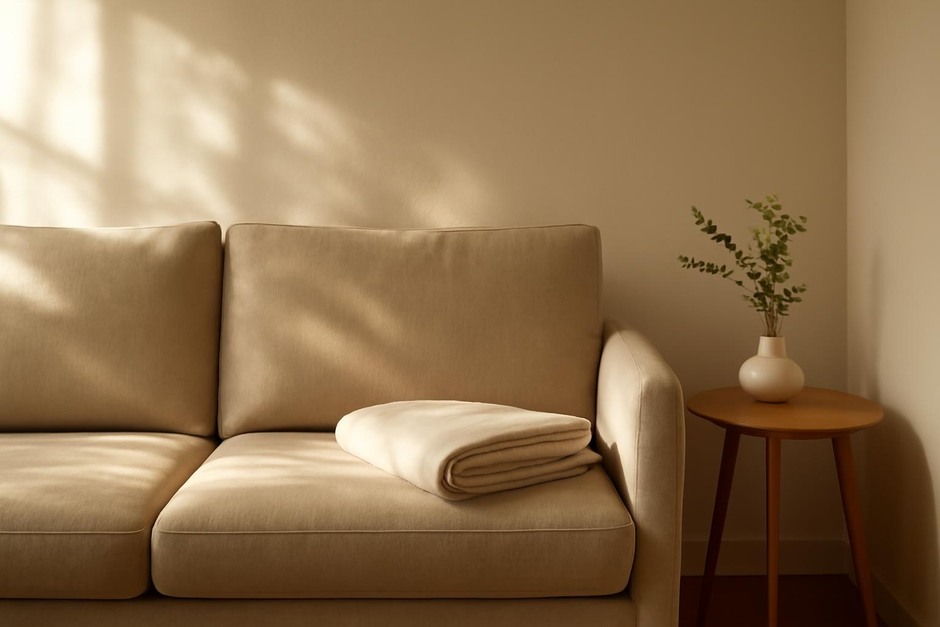
The fixed-flow layout commits to one clear arrangement that supports your most common weekend uses. Everything has a place and purpose: a reading corner, a conversation area, and a spot reserved for occasional work. The result is calm and predictable.
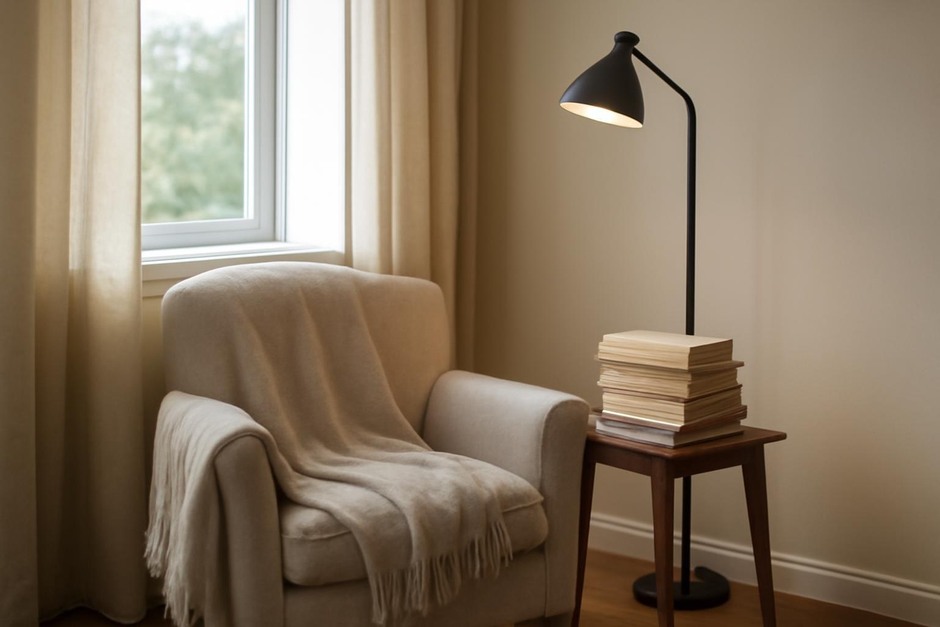
- Key pieces: a comfortable sofa, one or two stable side tables, a floor lamp for task lighting, and a single well-sized rug to define the primary zone.
- Storage strategy: built-in or closed storage that keeps surfaces clear—ideal for maintaining a serene look with minimal fiddling.
- Anchors: a focal piece such as a window seat, fireplace, or media console that the rest of the layout supports.
Benefits
- Low maintenance—less moving of furniture and fewer decisions to make on any given weekend.
- Feels settled and restful, which is especially nice for slowing down.
- Great for consistent routines like morning reading or hosting the same small group often.
Considerations
- Less adaptable when you need the space for an unusual activity or an extra guest.
- Risk of feeling stagnant if the same layout is used for everything and no small seasonal changes are made.
How to Choose Between Them (and How to Make Either Work)
Start with a few simple questions about how you actually use the room:
- How often do you host or need the room to change function? If you switch uses several times a week, favor the dual-mode layout.
- Do you prefer a space that’s effortless and predictable? If yes, the fixed-flow layout will be kinder to your weekends.
- What are your storage constraints? Limited storage nudges you toward fixed-flow; extra storage makes dual-mode easier.
- How much do you enjoy rearranging furniture? If it feels like a pleasant small project, flexible layouts will be satisfying; if it’s a chore, keep things stable.
Practical steps once you decide:
- Measure and map: sketch the room to scale and mark doorways, circulation paths, and a primary anchor point (window, fireplace, TV).
- Choose anchors first: a rug and one lamp or sofa that won’t move establishes proportion and sightlines.
- Add multipurpose pieces: for dual-mode, pick ottomans and a folding table; for fixed-flow, favor closed storage and a single sturdy side table.
- Seasonal tweaks: for winter, layer in heavier throws and a warm rug; in summer, swap to a lighter textile and remove one chair to open flow.
Both approaches can support the same goal: making your living room a place you want to spend slower, quieter time. Whether you prefer to shift the room’s shape with the weekend or keep it a steady harbor, small thoughtful choices—lighting, storage, and the right anchors—will make quiet weekends feel easier and more deliberate.